
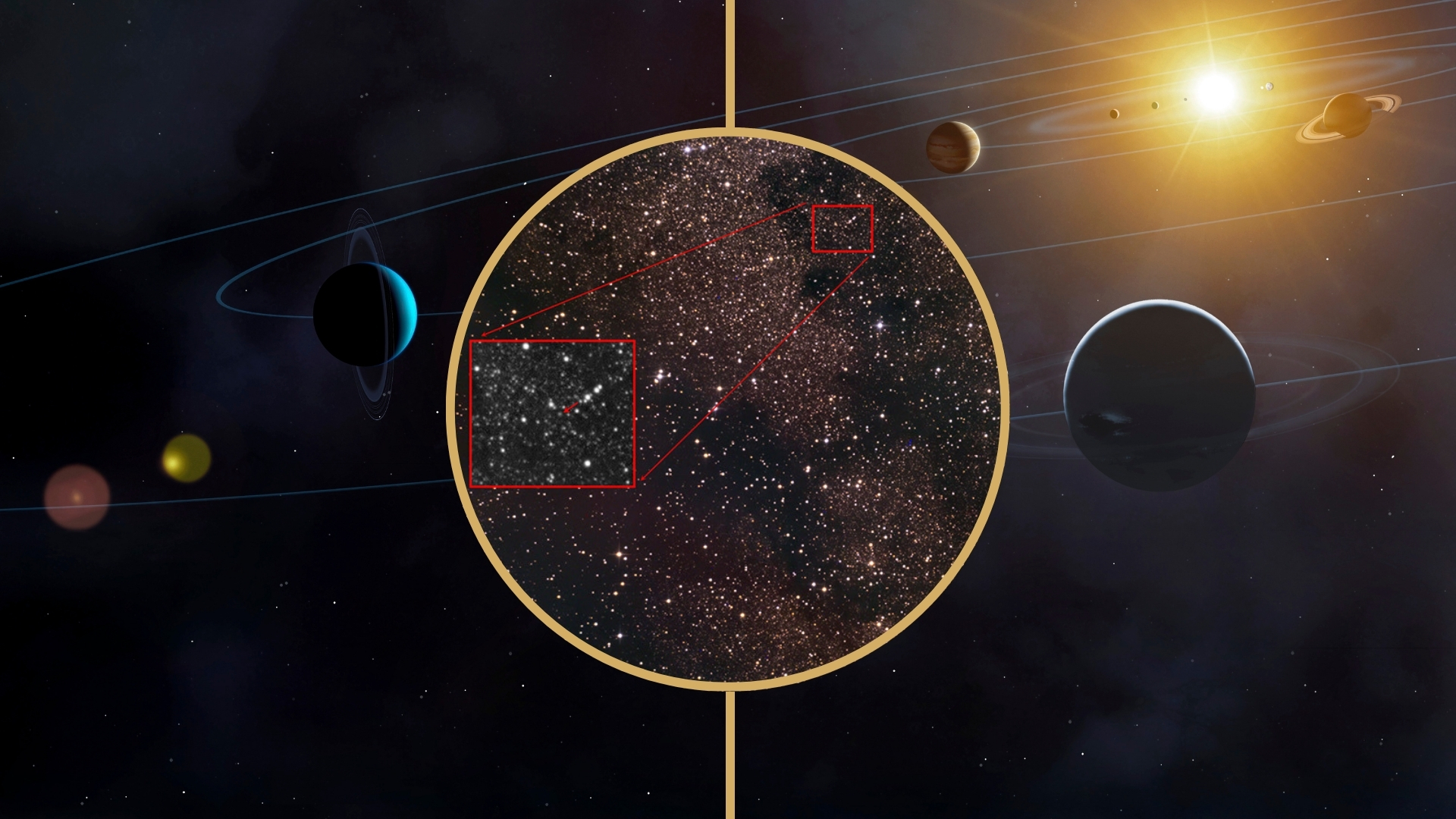
What happened when an interstellar comet neared the Sun?
Comet 3I/ATLAS, originating from beyond our solar system, has made its closest approach to the Sun. This event is causing excitement among scientists studying its composition and behavior. Its journey provides a rare glimpse into the materials of other star systems.
Researchers observed significant changes in 3I/ATLAS as it passed the Sun. The James Webb Space Telescope revealed a surprisingly active surface, hinting at a complex history. This activity suggests it has endured billions of years of space radiation.
Astonishingly, the comet showed non-gravitational acceleration. This indicates a force other than gravity is influencing its path. Such phenomena challenge our current understanding of cometary dynamics.
The gravitational lensing of 3I/ATLAS by the Sun also offers new research avenues. Scientists are comparing this interstellar visitor to comets born within our own solar system. This helps them understand planetary formation processes across different stellar environments.
This discovery fuels further research into interstellar objects. Future observations will aim to uncover more about their origins and the potential for life's building blocks. What secrets will the next interstellar visitor reveal?

