
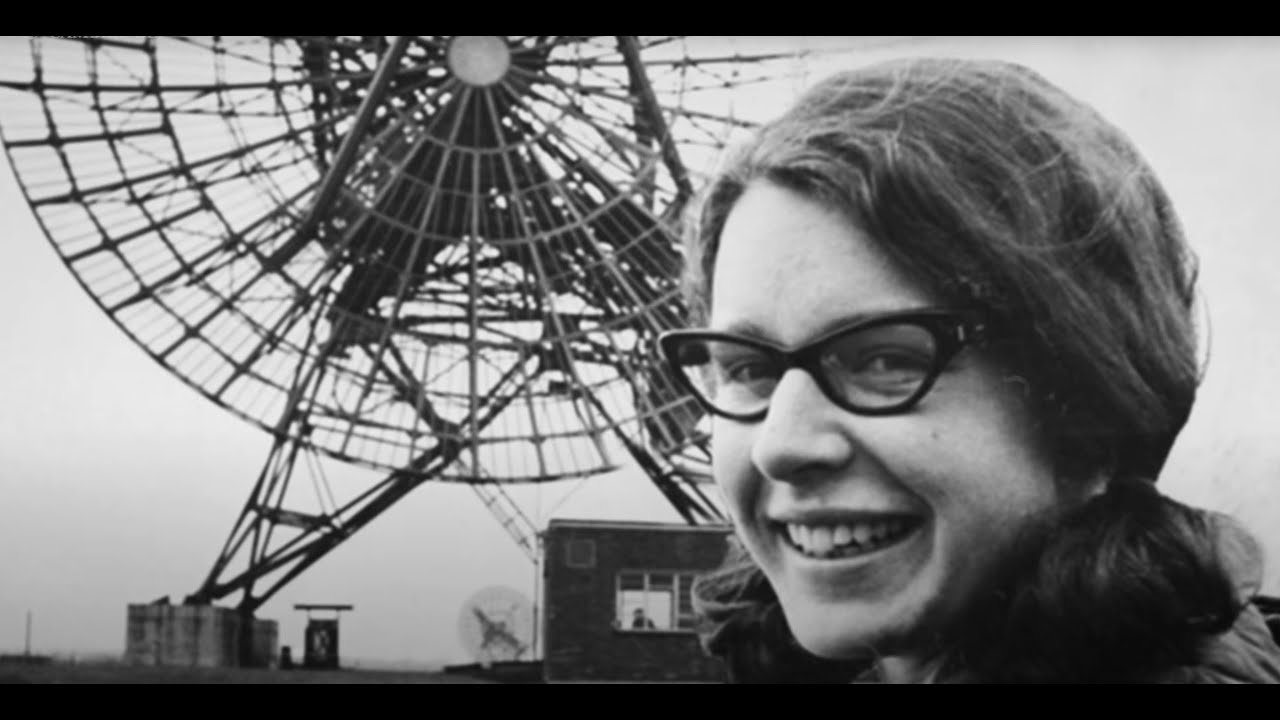
Famed radio signal found: A student's discovery, advisor's prize…
On November 28, 1967, a graduate student found something astonishing. Jocelyn Bell Burnell detected a unique radio signal. This fast-repeating pulsar was unlike anything known before. Scientists initially nicknamed it "Little Green Men." Here's why this discovery remains a landmark in astronomy.
The signal came from a distant neutron star. Burnell's meticulous work led to the find. Her advisor, Antony Hewish, received the Nobel Prize for this discovery. This caused significant debate in the scientific community.
Burnell's groundbreaking discovery was made at the age of 24. She diligently analyzed data from a radio telescope. The pulsar's regular pulses were truly a hidden truth.
It's a historic moment, yet the credit remains debated.
This discovery opened new avenues in astrophysics. It showed that pulsars could be studied. What impact will this historical event continue to have on future scientific recognition?

